
Impact of widespread exclusion measures on biodiversity and biological control in arboricultural landscapes
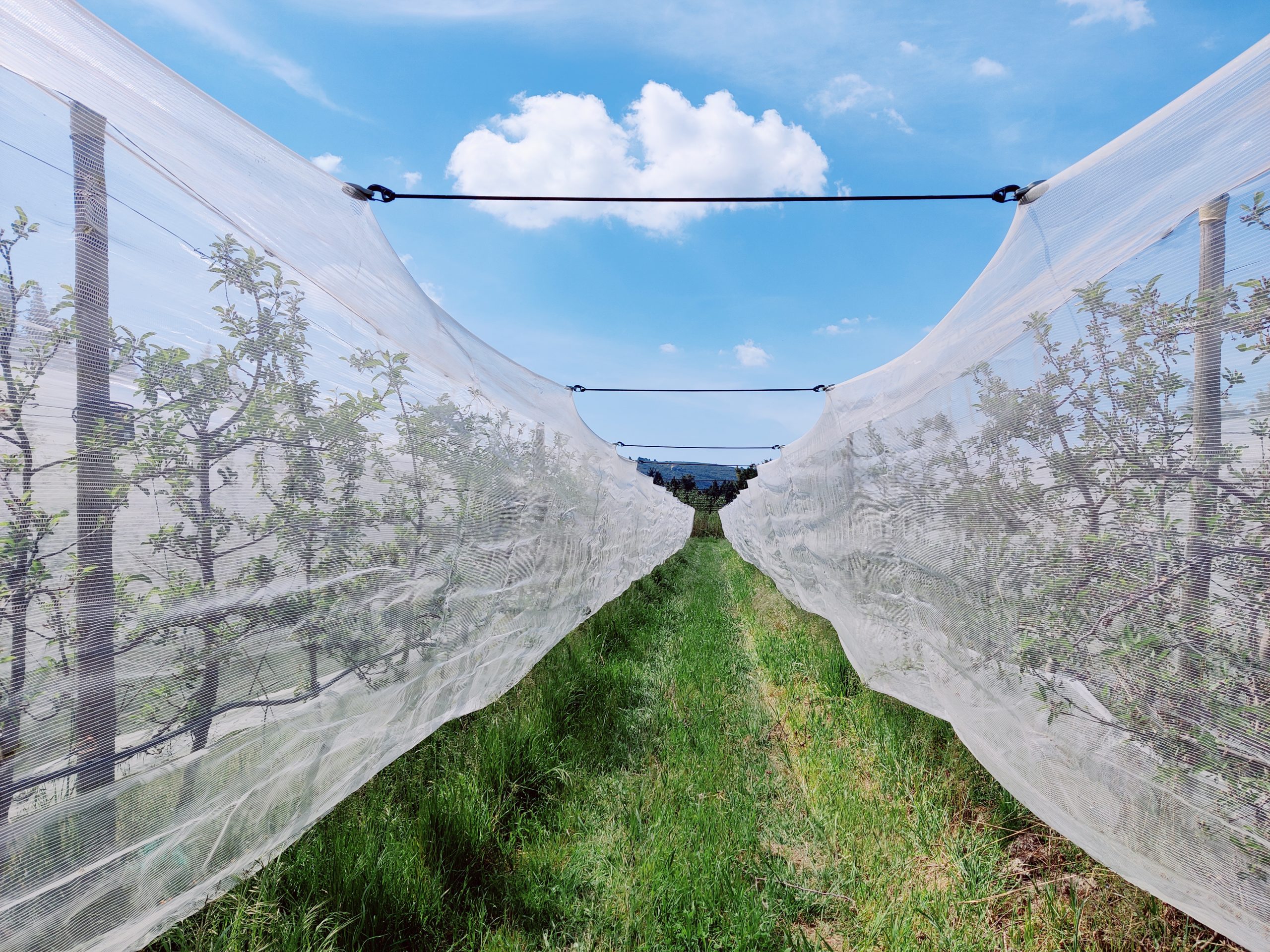
With the aim of reducing pesticide use, exclusion systems appear to be a major alternative for protecting crops against pests. This is particularly true in apple growing, where a recent innovation, the use of Alt'Carpo nets against the codling moth, Cydia pomonella, has proven effective and is becoming widespread in organic farming. However, the widespread use of this biocontrol method can cause undesirable effects at the agroecosystem level. By excluding non-target species, including predators, from plots, the nets alter pre-existing trophic regulations and could promote the development of other pests. For example, initial feedback from the industry suggests a significant increase in damage attributed to the Provençal vole under nets, whose predators would be excluded.
The objective of this project will be to evaluate the long-term impact and effectiveness of widespread exclusion methods on pest control and trophic regulation at the plot and landscape scales.
This will involve:
i) assessing the impact of nets on the abundance and diversity of non-target pests (aphids, bugs, and Provençal voles) and their predators,
ii) identify the role of excluded beneficial insects (based on their characteristics) on the population dynamics of these pests,
iii) test the effect of the proportion of nets at the landscape scale on the abundance and diversity of pests and beneficial insects (e.g., hypothesis of an “umbrella” effect, or, conversely, concentration of populations on remaining resources)
iv) to test the hypothesis that nets mitigate the positive effect of landscape complexity on the abundance and diversity of beneficial insects and on biological control.
To address these questions, pairs of organic apple orchards with and without nets, located along a double gradient of net coverage and landscape complexity, will be sampled in the Lower Durance Valley area.
Funding: INRAE SPE Department 2021-2023
